Choosing where to buy a home in Ventura County often comes down to deciding between immediate coastal access and inland space. Buyers looking at the local market frequently weigh the benefits of ocean breezes against larger lot sizes and predictable suburban layouts. The decision shapes daily commute times, property maintenance needs, and overall housing costs.
Both municipalities offer distinct advantages for real estate investments in 2026. Ventura provides historic coastal charm with higher density, while Camarillo delivers expansive master-planned communities just off the Highway 101 corridor. Understanding the specific differences in median prices, transit options, and local infrastructure will help clarify which city aligns with your housing goals.
Housing Market: Median Home Prices and Property Taxes in 2026
The current real estate landscape shows a tight pricing margin between these two major CA hubs. As of early 2026, the median home price in Camarillo sits at approximately $900,000, while Ventura properties hover closely behind at around $870,000. This $30,000 gap primarily reflects the larger average square footage and newer construction found in the inland tracts.
Property taxes also play a crucial role in calculating your total monthly carrying costs. Camarillo carries a median effective property tax rate of roughly 1.09%, slightly edging out Ventura’s median effective rate of 1.08%. While this fractional difference might seem negligible, buyers should recognize that purchasing power stretches further per square foot inland, making Camarillo the stronger financial play for those prioritizing interior space over ocean proximity.
Ventura Property Types: Coastal Properties and Historic Homes
Ventura’s housing stock is heavily defined by its proximity to the Pacific Ocean and its rich architectural history. Buyers exploring the downtown and midtown sectors will find a dense collection of classic beach bungalows and historic Craftsman homes. These older properties often sit on smaller parcels of land, prioritizing walkability to local shops over expansive backyards.
Living near the water also introduces unique maintenance considerations due to the persistent marine layer and salt air. The trade-off for a smaller lot size and higher upkeep is immediate access to the coastline and a vibrant, established neighborhood atmosphere.
Camarillo Property Types: Inland Suburban Tracts and Master-Planned Communities
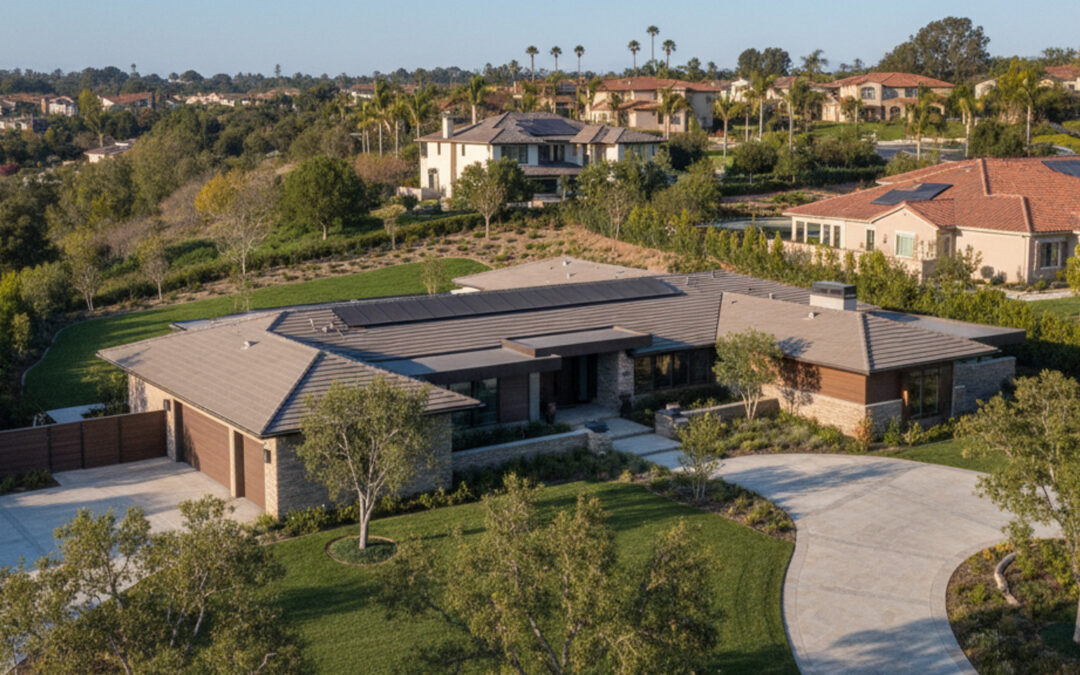
Camarillo presents a stark contrast with its emphasis on spacious residential layouts and suburban development. The market here is dominated by mid-century ranch-style homes and modern tract housing within master-planned communities like Mission Oaks. Buyers specifically seeking single-story living will find robust inventory in dedicated 55+ developments such as Leisure Village.
The inland geography yields a warmer climate and significantly larger property footprints. For buyers willing to drive 20 minutes to the beach, Camarillo offers undeniably better value per square foot and more accommodating spaces for home offices or expansive gardens.
Transportation and Commute Logistics
Evaluating commute times is essential for anyone working in major Southern California employment centers. Both cities sit directly along Highway 101, but their geographical placement dictates dramatically different daily drive times. A morning commute from Camarillo to Los Angeles typically takes 70 to 90 minutes by car.
Traveling that same route from Ventura adds considerable distance, pushing the average Los Angeles drive well past the 90-minute mark. For regional travel, Camarillo residents enjoy a brief 15-minute drive to Thousand Oaks, whereas Ventura offers a much quicker 45-minute trip north to Santa Barbara.
Public transit provides an alternative to the congested freeway system for both municipalities. Commuters can utilize the Pacific Surfliner and Metrolink trains from local stations, with a train ride from Camarillo to Los Angeles taking roughly one hour and 30 minutes. Ultimately, Camarillo serves as the vastly superior home base for buyers who need regular, reliable access to Los Angeles and the broader San Fernando Valley.
Local Amenities: Coastline Recreation vs. Premium Shopping
The daily lifestyle in these two cities centers entirely around their geographic assets. Ventura operates as a bustling coastal hub, offering extensive public beach access, surfing, and maritime activities at Ventura Harbor. Residents also benefit from expansive outdoor recreation at Arroyo Verde Park and a highly walkable downtown dining district.
Camarillo trades the oceanfront for premium retail and agricultural open spaces. The city is regionally famous for the Camarillo Premium Outlets, which draw shoppers from across CA, alongside local golf courses like Camarillo Springs. The community also features excellent municipal resources, including the highly rated Camarillo Public Library and a popular weekly farmers’ market.
Deciding between the two depends on how you prefer to spend your weekends. Ventura caters to a highly active, outdoor-centric lifestyle driven by ocean proximity and tourism energy. Camarillo provides a quieter, highly predictable suburban routine that favors convenient shopping and spacious local parks.
Local Infrastructure: Healthcare Facilities and School Districts
Strong municipal infrastructure supports property values and provides long-term stability for homeowners. The public education networks in these cities operate under different administrative structures. Ventura addresses public education through the unified Ventura Unified School District, which covers the entire municipality.
Camarillo splits its educational administration between two distinct entities based on grade level. Younger students attend the Pleasant Valley School District, while older students filter into the Oxnard Union High School District. Both cities maintain robust, well-funded educational facilities that anchor their respective residential neighborhoods.
Healthcare access remains a critical priority for local real estate buyers evaluating long-term residency. Ventura residents are primarily served by Community Memorial Hospital, a major regional medical center. Camarillo locals utilize St. John’s Pleasant Valley Hospital, ensuring that excellent, immediate emergency and routine care is never more than a few miles away in either city.
Frequently Asked Questions
Which city has a lower cost of living, Camarillo or Ventura?
Ventura generally presents a slightly lower initial purchase price, with median homes around $870,000 compared to Camarillo’s $900,000. However, Camarillo often provides lower price-per-square-foot ratios, meaning buyers get larger properties for their money. Daily expenses like groceries and utilities remain practically identical across both Ventura County locations.
What is the weather difference between Ventura and Camarillo?
The coastal city of Ventura experiences a classic maritime climate heavily influenced by the marine layer, resulting in cooler year-round temperatures and frequent June Gloom. Camarillo sits further inland, protected by the Santa Monica Mountains, which blocks much of the fog. This geographic shift means Camarillo is noticeably warmer and sunnier, especially during the summer months.
How do the commutes to Los Angeles compare?
Camarillo offers a significantly faster commute to Los Angeles, averaging 70 to 90 minutes by car via Highway 101. Ventura is located approximately 15 miles further north, which routinely pushes the drive time to Los Angeles well beyond 90 minutes. Buyers commuting via train will also save about 15 minutes each way by departing from the Camarillo station instead of Ventura.