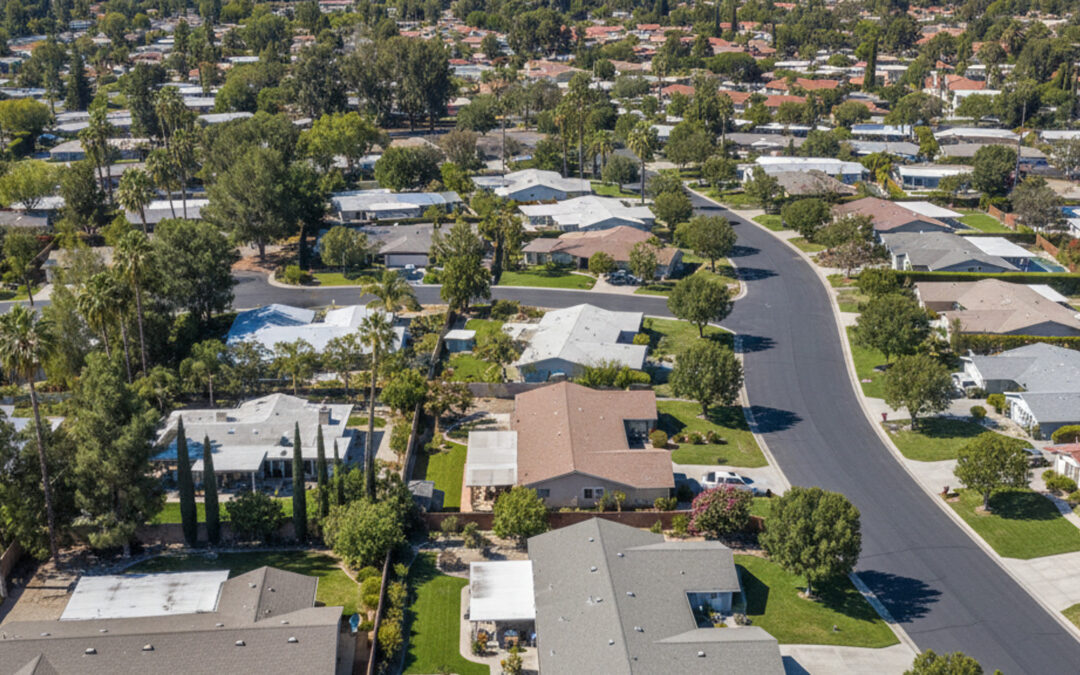
Preparing to list homes for sale in Camarillo requires more than just staging the living room and putting a sign in the yard. Managing seller disclosures in Leisure Village CA is a critical step that dictates the legal safety of your transaction. California mandates rigorous documentation from sellers to ensure buyers know exactly what they are purchasing.
The 2026 real estate market moves quickly, but skipping or rushing your paperwork can lead to costly post-closing disputes. Gathering your homeowner association documents, natural hazard reports, and state-mandated forms early will streamline the closing process. Understanding these specific requirements helps you transfer your property smoothly and protects your financial interests long after you hand over the keys.
California Real Estate Disclosure Requirements
California operates as a strict disclosure state for real estate transactions. Sellers are legally obligated to reveal any known material facts that could affect the value or desirability of a property. This standard ensures transparency and gives buyers a clear picture of the home’s condition before they finalize their mortgage.
Providing comprehensive documentation protects buyers and sellers from unexpected liabilities after the sale closes. When you fully disclose past repairs, current issues, or neighborhood quirks, you remove the buyer’s ability to claim they were misled. Honest and thorough paperwork is your best defense against future legal claims.
Local real estate agents and brokers rely on standardized forms to capture this information accurately. These documents are required alongside any specific community guidelines or local city reports. Completing the primary state forms meticulously is the foundation of a compliant property transfer.
Transfer Disclosure Statement (TDS)
The Transfer Disclosure Statement serves as the mandatory baseline document for detailing the condition of your property. This form requires you to identify the operational status of standard appliances, basic system functions, and structural items. You must fill this out based on your actual knowledge of the home.
Sellers must note any known defects directly on the document rather than relying solely on a buyer’s appraisal or independent inspection. If the stainless steel appliances have a faulty connection or the roof leaked last winter, it must be recorded here. Transparency on the TDS builds trust and prevents buyers from demanding expensive concessions late in the escrow process.
Seller Property Questionnaire (SPQ)
The Seller Property Questionnaire expands significantly on the foundation laid by the TDS. This detailed document covers nuanced historical details about the property that a standard inspection might miss. Failing to accurately complete the SPQ can lead to legal liability long after the sale closes.
You will need to provide specific information regarding past events and modifications. Standard disclosures on this form include:
- Past repairs, insurance claims, and unpermitted structural modifications.
- Historical water damage, plumbing leaks, or persistent moisture issues.
- Known pest infestations, treatments, or boundary disputes with neighbors.
Ventura County Natural Hazard Disclosures
Every residential transaction in the state requires the seller to provide a Natural Hazard Disclosure report. This objective report is generated by a third-party company and outlines specific environmental risks tied to the property address. Buyers use this information to secure appropriate insurance coverage and understand the physical risks associated with the location.
The unique topography of Camarillo and the broader Ventura County region directly impacts what appears on these reports. Properties nestled near hillsides or specific geographic features often trigger distinct zoning alerts. Providing this report early allows prospective buyers to review the data without delaying the overall transaction timing.
The report will clearly state if the home falls within designated earthquake fault zones, flood zones, or fire hazard severity zones. While the community is well-maintained, regional environmental classifications still apply to the land itself. Disclosing these objective hazard zones is a non-negotiable legal requirement for completing the sale.
Leisure Village HOA Documents and Transfer Fees
Selling a home in a managed community requires providing the buyer with a comprehensive package of homeowner association documents. Before closing, you must supply current CC&Rs, bylaws, and recent HOA financial statements. These documents allow buyers to review the financial health of the association and the rules governing the community.
The transaction will also involve a standard HOA transfer fee charged to process the change of ownership and update community records. This typical transfer fee is approximately $240, though buyers and sellers should verify exact closing costs with their escrow officer. Allocating responsibility for this fee is typically negotiated in the initial purchase agreement.
Buyers will closely evaluate the monthly carrying costs, so you must accurately disclose the current 2026 HOA dues. These dues range from approximately $602 to $705 per month, depending heavily on the specific floor plan and model of the home. It is important to clarify that an additional occupant fee of roughly $20 to $30 per month also applies.
You should explicitly state what these monthly dues cover to help buyers understand the value of the community. In this specific neighborhood, the fees generally include roof maintenance, water, sewer, trash collection, landscaping, and cable TV. Highlighting these covered expenses helps justify the monthly cost and makes the property more appealing to prospective buyers.
Disclosing Objective Community Amenities
When marketing a resort-style gated community, sellers must accurately describe the physical amenities included in the lifestyle. It is crucial to list objective facts about community features to avoid fair housing violations or subjective overpromising. Sticking to verifiable details ensures your listing remains compliant and professional.
You should highlight the specific, physical amenities managed and maintained by the homeowner association. Buyers actively look for these features when they use the Multiple Listing Service to identify prospective properties. Accurate descriptions set proper expectations for what the monthly dues actually support.
The community offers a robust selection of maintained facilities for residents. Key amenities to objectively list include:
- A 24-hour guard-gated security entrance and patrol service.
- An 18-hole par-3 golf course and dedicated pickleball courts.
- A comprehensive fitness center and a year-round heated pool.
Sellers must advise prospective buyers to verify amenity access rules directly with the HOA. Buyers should also confirm if any separate fees or reservations are required for specific facilities. Directing buyers to the official community management protects you from claims of misrepresentation.
Frequently Asked Questions
Is California a disclosure state for real estate?
Yes, California is a strict disclosure state where sellers must legally reveal known material facts about a property. Failing to provide accurate documentation can lead to severe financial penalties and canceled transactions. Sellers must complete standardized state forms regarding the physical condition of the home before closing.
Should a California real estate seller file disclosures if selling as-is?
Selling a property as-is does not waive your legal requirement to provide full state disclosures. You must still complete the Transfer Disclosure Statement and Seller Property Questionnaire to the best of your knowledge. An as-is sale simply means you are not agreeing to perform repairs, but you must still reveal known defects like a $5,000 plumbing issue.
How long are you liable after selling a house in California?
Sellers can generally face liability for undisclosed property defects for up to three years after the sale closes. This statute of limitations applies to issues the seller knew about but intentionally hid from the buyer. Providing comprehensive and honest disclosures upfront is the most effective way to eliminate this long-term legal risk.