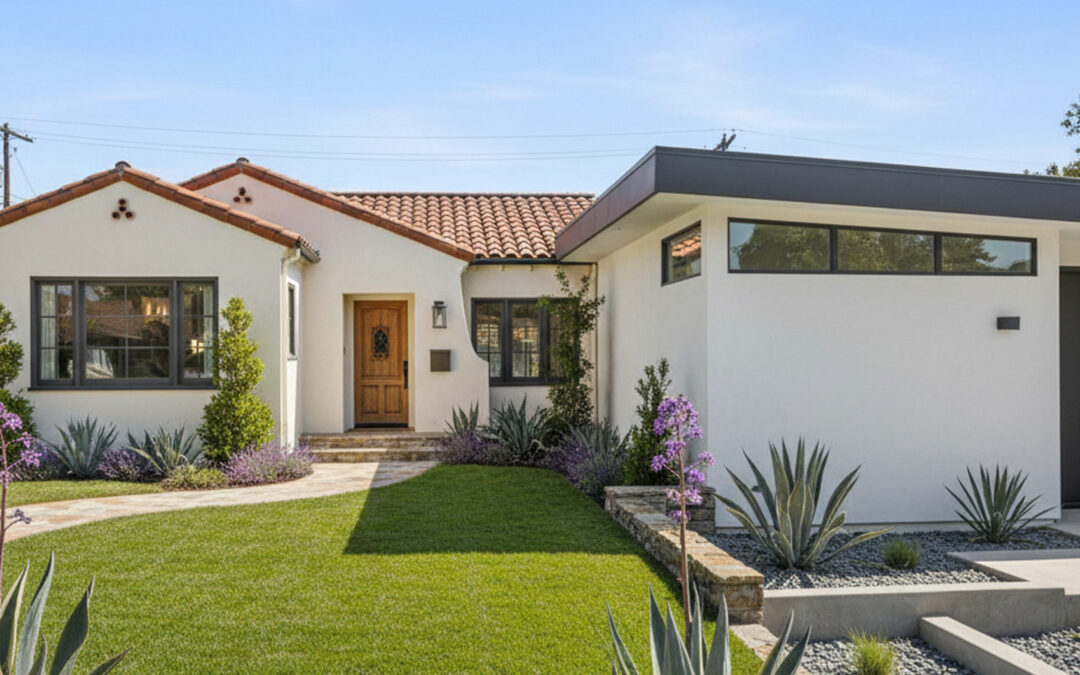
Buyers exploring Ventura County, CA, often find themselves weighing the distinct advantages of two neighboring cities along the US-101 corridor. Choosing between Camarillo and Thousand Oaks comes down to balancing budget, commute times, and preferred climate. Both locations offer strong housing markets and excellent access to regional amenities, but they provide very different daily living experiences.
The landscape of Southern California real estate has continued to evolve, making specific local knowledge crucial for anyone moving this year. As buyers navigate the 2026 market, understanding the geographic divide created by the Conejo Grade is essential. This natural barrier dictates everything from average daily temperatures to the price per square foot you can expect to pay.
Real Estate Markets and Cost of Living
The price difference between these two cities remains one of the most significant factors for buyers in 2026. Camarillo generally presents a more accessible entry point, with median home prices currently ranging from roughly $857,000 to $895,000. In contrast, Thousand Oaks carries a premium, seeing median home values sit between $1,120,000 and $1,200,000.
Property types also vary noticeably when crossing the city limits. Camarillo features a robust mix of single-family homes, newer townhome developments, and established 55+ communities like Leisure Village. Thousand Oaks tends to offer larger, sprawling estates built into the hillsides and heavily established residential neighborhoods with mature oak trees.
When factoring in the cost of living, property taxes are a critical component of your monthly payment. Ventura County applies a standard 1% base rate, but after local assessments, buyers should anticipate a median effective tax rate of roughly 1.15% in both municipalities. For buyers prioritizing maximum lot size and interior space for their budget, Camarillo undeniably offers the better value per square foot.
Geography, Climate, and the Conejo Grade
The physical boundary separating these two markets is the Conejo Grade, a steep three-mile incline on the US-101 freeway. This geographic feature does more than just separate city limits – it creates a distinct microclimate divide. Residents living on either side experience noticeably different daily weather patterns.
Camarillo sits at the base of the grade on the coastal plain, surrounded by flat agricultural land. This proximity to the ocean provides a classic Mediterranean climate, heavily influenced by regular marine breezes that keep temperatures cooler year-round. Morning fog is a common occurrence, often burning off by midday to reveal clear skies.
Moving up the grade into Thousand Oaks introduces a higher inland elevation and a warmer, temperate climate. The ocean influence is significantly reduced here, leading to warmer daytime temperatures and slightly cooler nights. The city is nestled against the Santa Monica Mountains, providing a completely different visual backdrop compared to the flat plains to the west.
Commuting Options to Los Angeles and the Coast
Both municipalities rely heavily on the US-101 freeway as their primary transit corridor. However, your daily destination will heavily influence which city makes more logistical sense. Thousand Oaks is geographically closer to Los Angeles, cutting down significantly on drive times and time spent in heavy rush hour traffic.
Commuters living in Camarillo but working in Los Angeles must traverse the Conejo Grade twice daily. This adds noticeable time and vehicle wear to a daily routine, making it a crucial consideration for buyers working in LA County. A 30-minute delay on the grade is not uncommon during peak travel times.
Conversely, Camarillo is the superior choice for those working along the coast. Drive times to major coastal employment hubs like Port Hueneme or Oxnard are remarkably short from Camarillo. Buyers working at the naval base or in coastal logistics will find the western side of the grade much more convenient.
Public School Districts Serving Each Area
Educational zoning is a major driver of real estate decisions, and the two cities are managed by entirely different administrative bodies. Thousand Oaks addresses its educational needs through the Conejo Valley Unified School District. This single district handles primary, middle, and high school education for the majority of the city.
Camarillo operates under a split-district model, which can be slightly more complex for new residents to navigate. The Pleasant Valley School District manages the primary and middle school grades across the city. Once students reach secondary education, they transition into the Oxnard Union High School District.
Both areas feature prominent local institutions, including Thousand Oaks High School and Camarillo High School. Because district lines can shift and specific neighborhood zoning dictates enrollment, buyers must verify property addresses against current 2026 district boundary maps. Assuming a home falls into a specific school zone based purely on its zip code is a common, costly mistake.
Local Amenities, Parks, and Entertainment
The lifestyle and entertainment options available in each city reflect their unique geographic and historical backgrounds. Camarillo leans heavily into retail and historic charm as its primary local attractions. Meanwhile, Thousand Oaks positions itself as a regional hub for the arts and extensive outdoor recreation.
Both cities offer comprehensive access to primary healthcare centers and regional hospitals. Buyers looking for expansive mountain access might prefer the eastern side of the grade, while dedicated shoppers often look west.
Understanding the specific attractions in each municipality can help narrow down your choice. The prominent local amenities defining these two areas include:
- The Camarillo Premium Outlets, managed by Simon Property Group, which serves as a major retail destination alongside the historic shops and restaurants of Old Town Camarillo.
- The Thousand Oaks Civic Arts Plaza, a premier performing arts center that draws regional theater, music, and cultural events.
- Extensive outdoor spaces in Thousand Oaks, featuring miles of hiking trails, dedicated bike paths, and direct access to the Santa Monica Mountains.
Frequently Asked Questions
Is Camarillo or Thousand Oaks more expensive?
Thousand Oaks is consistently the more expensive real estate market. In 2026, the median home price in Thousand Oaks sits over $1,100,000, driven by larger lot sizes and proximity to Los Angeles. Camarillo offers a more accessible entry point, with median values remaining under $900,000.
How does the weather compare between Camarillo and Thousand Oaks?
Camarillo maintains a cooler Mediterranean climate due to regular ocean breezes sweeping across the coastal plain. Thousand Oaks sits at a higher inland elevation, resulting in warmer daytime temperatures and a more temperate overall climate. The Conejo Grade serves as the physical barrier separating these two distinct weather patterns.
Which city offers better freeway access?
Both cities straddle the US-101 freeway, providing excellent immediate access to the region’s main transportation corridor. However, Thousand Oaks offers a strategically better location for those commuting east into Los Angeles. This shorter distance helps drivers avoid the daily bottleneck that often occurs on the Conejo Grade.