Purchasing a home in a 55+ community requires careful financial planning beyond the initial purchase price. For those looking at properties in Camarillo, understanding the exact out-of-pocket expenses is a critical step in the homebuying process.
Knowing the specific buyer closing costs in Leisure Village CA helps you avoid unexpected financial hurdles at the closing table. This guide outlines the exact fees, taxes, and homeowner association dues you can expect to encounter in the current 2026 market.
Navigating these financial details early ensures a smoother transaction from the initial offer to the final document signing. Working with a knowledgeable real estate broker can help you map out these expenses well before you open escrow.
Ventura County Property Tax Rates and Buyer Fees
Property taxes are a significant component of your upfront closing expenses in Ventura County. In the Camarillo area, the effective property tax rate currently sits between approximately 1.04% and 1.10% for 2026. This baseline rate directly impacts the amount of cash you must bring to your closing appointment.
This local rate is slightly lower than some broader California averages, providing a slight advantage for buyers managing fixed incomes. However, lenders still require you to prepay a portion of these annual taxes into an escrow impound account when finalizing your purchase. Establishing this account is a mandatory step for most conventional mortgage approvals.
Funding this impound account ensures your future tax bills are covered, but it does increase the immediate cash needed to close the transaction. Buyers must factor these prepaid property taxes into their total financial situation before submitting an offer. Failing to account for these initial tax deposits is a common oversight for buyers entering the local market.
County tax assessors evaluate the property based on the final purchase price, meaning your baseline tax burden resets when you buy. This reassessment process is a standard part of California real estate transactions. Your real estate agent can help you estimate the exact supplemental tax bills that may arrive shortly after closing.
Working with a knowledgeable mortgage broker can help clarify exactly how much cash you need to reserve for these tax impounds. They will analyze your specific financial situation to structure the loan and tax payments efficiently. This proactive approach prevents last-minute scrambles for funds before your closing date.
Average Escrow, Title, and Appraisal Costs
Third-party transaction fees form the bulk of your standard closing expenses. These services protect your legal interests and satisfy lender requirements during the transfer of the property. Selecting local professionals often streamlines this complex administrative process.
Understanding these individual line items helps you evaluate your initial loan estimate effectively. A mortgage closing costs calculator can provide a rough baseline, but local Ventura County averages dictate the final numbers.
- Escrow and Title Fees: These generally run between 1% and 2% of the total purchase price, covering the neutral third party managing your funds and the title search.
- Appraisal Fees: Securing a mortgage requires a professional real estate appraisal, which typically costs between $400 and $600 in the local market.
- Title Insurance: Buyers customarily pay for the lender’s title policy to protect the mortgage, while sellers traditionally cover the owner’s policy.
- Recording Fees: Ventura County charges nominal fees to officially record the new deed in public records.
Leisure Village HOA Transfer Fees and Monthly Dues
Moving into a managed community involves specific administrative fees that differ from a traditional residential purchase. Buyers must pay a mandatory one-time homeowner association transfer fee at the close of escrow. This payment officially registers you with the community management system.
This transfer fee is currently a flat $40, which covers the administrative costs of updating the community roster and issuing new gate access. While the upfront fee is minimal, the ongoing monthly dues require careful budgeting. Buyers should verify these exact amounts during their initial property tour.
For 2026, monthly HOA dues range from $602 to $705, depending entirely on the specific floor plan you purchase. These dues cover comprehensive services including water, sewer, trash, landscaping, and the master insurance policy for the building exterior. Consolidating these standard utility costs into one payment simplifies monthly household budgeting.
Understanding the tier system for these dues is essential before falling in love with a specific property. The Avalon, Newport, and Brentwood models all carry slightly different monthly obligations based on their square footage. Factoring these specific numbers into your monthly budget ensures long-term financial comfort.
Buyers must review the HOA financial disclosures during the escrow period to understand how these funds are managed. A well-funded reserve account is a strong indicator of community health and protects owners from sudden special assessments. Your agent will request these documents directly from the association on your behalf.
Property Types and Inspection Fees
The local housing stock consists primarily of single-story attached homes, which influences both your inspection costs and insurance needs. Current 2026 property values reflect a median price range of $617,000 to $637,000 for these units. These architectural designs offer highly accessible living spaces without the burden of exterior maintenance.
Because the master HOA policy covers exterior elements like the roof, buyers only need to secure an interior “walls-in” insurance policy at closing. A standard property inspection for these attached units is still highly recommended to evaluate the interior electrical, plumbing, and HVAC systems. This inspection provides peace of mind before your contract contingencies expire.
The attached nature of these homes means buyers share common walls, which shifts some maintenance burdens back to the association. Reviewing the exact boundaries of your personal maintenance responsibility is a vital step before finalizing your homeowner’s insurance policy. Clarifying these details early prevents unexpected out-of-pocket repair costs later.
Community Infrastructure and Local Amenities
The monthly dues and overall property values are directly supported by the extensive physical infrastructure maintained within the community grounds. Buyers gain immediate access to major recreational facilities, including an 18-hole golf course, a fitness center, and a large swimming pool. These amenities are fully integrated into the community layout for easy resident access.
Geographic location also plays a strong role in the local real estate valuation. The property sits in close proximity to St. John’s Pleasant Valley Hospital, providing convenient access to essential medical facilities. This immediate access to healthcare infrastructure is a major draw for buyers moving into the Camarillo area.
Strong local transportation infrastructure further enhances the appeal of the area. Residents benefit from easy access to the 101 Freeway and the nearby Camarillo shopping centers for daily retail needs. This connectivity ensures that dining, shopping, and entertainment options are just a short drive away.
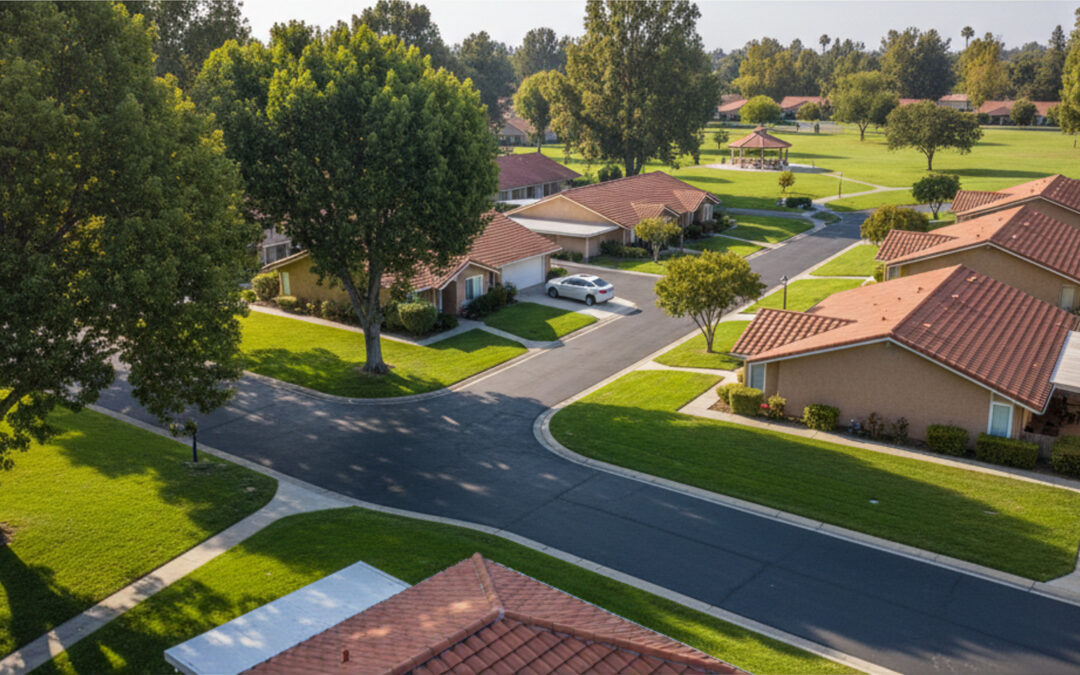
Beyond the physical amenities, the community layout features extensive walking paths and manicured greenbelt areas. The association manages all landscaping duties, ensuring the neighborhood maintains a consistent, polished appearance year-round. This professional upkeep preserves property values and enhances the daily living experience.
The value of these amenities extends beyond simple convenience, directly impacting long-term property retention. Buyers consistently seek out this specific Camarillo location for its established infrastructure and predictable maintenance standards. The combination of managed amenities and prime location justifies the associated community fees.
Frequently Asked Questions
Does the buyer or seller pay the closing costs?
In California, closing costs are customarily split between the two parties based on county standards. Buyers typically pay for their loan origination fees, appraisal, and the lender’s title policy. Sellers generally cover the real estate agent commissions and the owner’s title policy.
How do Leisure Village HOA fees affect my mortgage qualification?
Lenders factor the monthly HOA dues directly into your debt-to-income ratio when evaluating your loan application. Because these 2026 dues range up to $705 per month, they reduce the maximum loan amount you might otherwise qualify for. Buyers must ensure their credit score and income can support both the mortgage payment and the association dues.
What are typical buyer closing costs in Leisure Village, CA?
Total buyer closing costs generally range from 2% to 3% of the purchase price. On a median home priced at $637,000, a buyer should expect to pay roughly $12,740 to $19,110 out of pocket for escrow, title, taxes, and lender fees. Reviewing your final closing disclosure will outline the exact breakdown of these required funds.