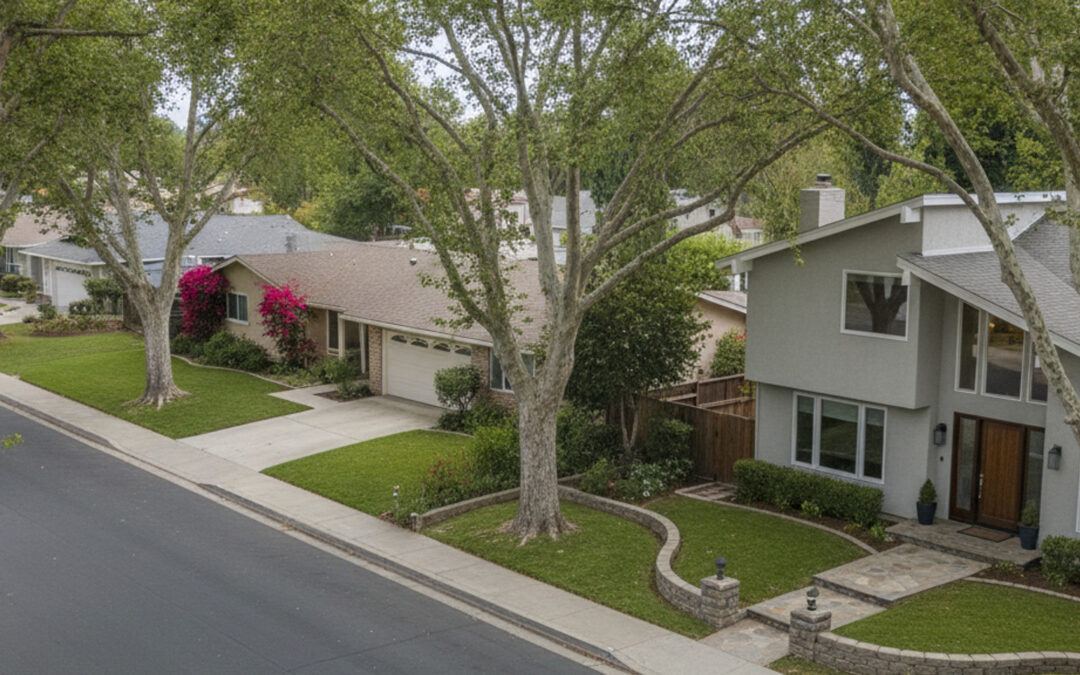
If you’re weighing properties in Camarillo and considering living in Leisure Village, CA, you’ve probably already noticed the split between master-planned communities and the more rural parcels on the edges of town. The market carries a median sale price around $649,774, and homes typically sit for roughly 71 days before going under contract – which gives you real time to dig into the details before you commit.
One detail that trips up a lot of buyers is the water source. Rural Ventura County properties sometimes run on private wells, and that changes your monthly budget, your maintenance obligations, and your contingency planning in ways that aren’t always obvious up front. Managing utilities in Leisure Village, Camarillo, CA, is a different story entirely – and this guide walks you through exactly how the two setups compare, what things cost, and what you can expect if you buy here.
Municipal Connections Versus Private Wells in Ventura County
A home’s water source shapes almost everything practical about living there: how you pay for usage, who picks up the phone when something breaks, and what happens when the power goes out.
Municipal water systems treat and deliver water through public infrastructure. The local government or utility manages supply, tests quality, and bills you based on how many gallons you use. Private wells pull groundwater straight from aquifers beneath the property. The homeowner owns the equipment and carries full responsibility for maintenance, testing, and repairs – if the pump fails or the water table drops, that bill lands in your lap.
Comparing the Two Systems
Municipal supply is convenient. If a pipe breaks down the street, the city sends a crew. The trade-off is a monthly bill that moves with your consumption.
Wells eliminate that monthly water charge, but they run on electricity, so the pump stops the moment the power does. Budget for occasional maintenance – pressure tank replacements, pump servicing, annual water quality tests. These aren’t catastrophic costs in a normal year, but they’re real.
What You’ll Find Inside the Community
Inside Leisure Village, homes connect to the municipal grid. Most properties fall under the City of Camarillo‘s Water Division within the Public Works Department. There are no individual private wells serving residential drinking water here.
If you’re looking at the roughly 39 homes currently in inventory in this community, you can set aside any concerns about well pump maintenance or groundwater testing. The infrastructure ties directly into the city’s public system.
Defining Municipal Supplies and Private Systems
The term “city water well” confuses a lot of buyers during a property search – it sounds like a contradiction. It isn’t. A city water well is simply a large-scale municipal well the local government uses to draw groundwater for the public supply, then treats at a central facility before piping it out to neighborhoods. A private well, by contrast, serves one property. Water goes from the ground into your plumbing without passing through any municipal treatment plant.
How Public Infrastructure Works
The City of Camarillo’s Water Division handles supply for most properties within city limits. Other purveyors – the Calleguas Municipal Water District and Camrosa Water District – cover specific surrounding areas. The utility maintains the main lines, reservoirs, and pumping stations across its service map.
If you’re on this system, you have a meter that tracks usage. The utility charges a base rate plus a volumetric fee for what you consume.
Common Private Well Types
Rural properties outside the master-planned gates typically use drilled wells. Contractors drive heavy machinery deep into bedrock – often hundreds of feet – to reach a reliable aquifer. A casing keeps the hole from collapsing and blocks surface contaminants.
Older or shallower systems might include driven or dug wells, though these are uncommon for modern residential drinking water in Southern California. Drilled wells hold up better against drought and surface runoff.
Checking Your Property’s Source
Touring a home and not sure what you’re on? Look for a water meter near the street or sidewalk – that’s a municipal connection. For a private well, you’ll typically see a wellhead somewhere in the yard: a capped pipe coming out of the ground, sometimes paired with a large pressure tank inside the garage or a dedicated utility shed.
Monthly Costs and HOA Coverage
Utilities are part of your carrying cost, not an afterthought. In a standard Camarillo neighborhood, residents pay the city directly for water, sewer, and trash. Leisure Village runs on a different model.
The All-In Fee Structure
The Leisure Village HOA monthly assessment covers water usage for residents. You don’t get a separate water bill from the City of Camarillo or any other utility.
The assessment also bundles sewer, trash, cable TV, internet, security, landscaping, and exterior home maintenance. That’s a long list of line items that disappear from your monthly budget. For buyers who want predictable housing costs, this structure makes planning genuinely straightforward.
Expenses for Private Systems Outside the Gates
Homeowners with private wells avoid municipal water rates, but they pay for the electricity to run the pump – an amount that shifts based on well depth and household usage. Over time, maintenance adds up too. Replacing a well pump can run several thousand dollars, and annual water testing is a standing obligation.
Managing High Usage
On a municipal meter, outdoor irrigation is where bills climb fastest. Watering lawns and gardens through a dry Southern California summer accounts for a large share of residential water use. Inside Leisure Village, the HOA manages landscaping and covers those water costs, so you’re not tracking irrigation expenses or watching the calendar for watering restrictions.
Septic and Well Separation
Homes with private wells often pair them with septic systems – the well brings water in, and the septic handles waste going out. Plan on septic pumping every three to five years. Leisure Village connects to the municipal sewer system, and the HOA fee covers that service as well.
Quality, Safety, and Treatment Options
Water quality comes up often with buyers relocating to Ventura County. Both municipal and private sources can provide safe drinking water – they just require different oversight.
Public utilities test continuously. Private well owners arrange and pay for their own testing. That’s not a reason to avoid a well, but it’s a responsibility you take on with the property.
Municipal Water Safety
The City of Camarillo treats its public supply to meet state and federal regulatory standards. Because the water travels through miles of public pipe, it contains residual chlorine to prevent bacterial growth. Most residents drink it straight from the tap without issue.
Private System Health Considerations
Well water comes out of the ground untreated. It can be perfectly safe and healthy, but it’s susceptible to agricultural runoff, naturally occurring minerals, and bacterial contamination. If you own a well, you should test annually – at minimum – for coliform bacteria, nitrates, and other contaminants relevant to your local aquifer.
Testing and Softening Systems
A lot of homeowners install water softeners or reverse osmosis filtration to improve taste and reduce mineral buildup on fixtures. These systems work equally well on city connections and private wells, so don’t let this factor drive your decision between the two.
Effects on Skin and Hair
High mineral content in unfiltered water can leave skin feeling dry and hair brittle. The minerals interfere with soap, making it harder to lather and rinse. A water softener removes them – residents who make the switch often notice they need less soap for laundry and bathing and that their skin feels noticeably smoother.
Weighing the Drawbacks and Benefits of a Private Source
Leisure Village runs on city water, but if you’re comparing it against rural Camarillo properties, it’s worth understanding what well ownership actually involves. Both options are within a short drive of each other, and the lifestyle differences are real.
Drawbacks to Consider
The biggest practical downside is the electricity dependency. Power goes out, pump stops, water pressure drops to zero. On top of that, homeowners carry the full financial risk of equipment failure. During severe droughts, the water table can fall far enough that you’d need to lower the pump or drill a deeper well entirely.
Potential Benefits
A private well gives you complete control over your supply – no municipal rate hikes, no tier-based pricing, no city-mandated watering restrictions. Many people also prefer the taste of well water, since it doesn’t carry the chlorine and treatment chemicals used in public systems.
Converting Between Sources in Camarillo
Switching a well property to municipal water is possible if public infrastructure reaches the property line. It involves permits, construction, and coordination with local agencies – not a weekend project, but a straightforward one if you hire the right people.
Connecting to the Municipal Grid
The homeowner applies for a connection through the local water purveyor. The utility taps the main line in the street and runs a service line to a new meter on the property. From there, a licensed plumber connects the house’s main water line to the new meter and disconnects the well system from the indoor plumbing.
Conversion Costs and Permits
Connecting to city water means paying a meter installation fee and often a capacity charge. These vary by purveyor and can total several thousand dollars.
Ventura County requires permits for well work. If you’re drilling a new well, the county permit fee is $430 for the initial well, plus $100 for each additional well on the same site. Properties inside the Fox Canyon Groundwater Management Agency boundary have one more step – you’ll need a no-cost permit from FCGMA before applying to the county.
Keeping Both Systems Active
Some homeowners connect their house to city water and keep the well running for outdoor irrigation. It lowers the municipal bill while maintaining a reliable indoor supply. Plumbing codes require a backflow prevention device to make sure untreated well water can’t cross-contaminate the public system.
Purchasing a Property with a Private Source
Buying a home on a well adds a few steps to escrow that standard home inspections don’t cover. A general inspector typically won’t evaluate the pump or the groundwater quality – you need specialists for that.
Inspections and Testing Requirements
A dedicated well inspection checks pump flow rate, pressure tank condition, and electrical components. The inspector confirms the system produces enough gallons per minute to support the household. Beyond that, order a comprehensive water quality lab analysis – bacteria, nitrates, and whatever else is relevant to the local aquifer.
Important Coverage Questions
When you’re buying into a managed community, verify exactly what the assessments cover before you close. For Leisure Village, the HOA clearly includes water in the monthly dues – you won’t need to budget for a separate water bill or any well maintenance.
For a property with an HOA and a shared community well, pull the reserve study and make sure the association has set aside enough to cover future pump replacements or well repairs. That’s a question worth asking before you’re invested.
Frequently Asked Questions
What utilities are included in the monthly HOA fees at Leisure Village Camarillo?
The Leisure Village HOA monthly assessment covers water, sewer, and trash. It also includes cable TV, internet, security, landscaping, and exterior home maintenance.
Which utility bills do Leisure Village residents have to pay out of pocket?
Residents pay for their own electricity and natural gas. The HOA covers water, sewer, trash, cable, and internet, so those services don’t generate separate monthly bills.
Is cable TV and internet included in the Leisure Village HOA, or do I choose my own provider?
Both are included in the HOA monthly assessment. Residents don’t need to set up or pay for a separate provider for these base services.
How do new buyers transfer electricity and gas services into their name after buying in Leisure Village Camarillo?
You’ll contact the local electricity and natural gas providers directly to establish service in your name. The HOA doesn’t manage or pay for those energy utilities.
Are residents allowed to install solar panels on their Leisure Village homes to lower electricity costs?
Check the community’s architectural guidelines before planning any exterior modifications. The HOA manages exterior home maintenance, so any roof installation requires direct coordination with the association.
If there is a water leak or sewer issue, does the Leisure Village HOA cover the repair or is the homeowner responsible?
The HOA’s monthly assessment covers exterior home maintenance, which typically includes exterior infrastructure. Consult the association’s specific maintenance matrix to understand where the HOA’s responsibility ends and your interior plumbing responsibility begins.