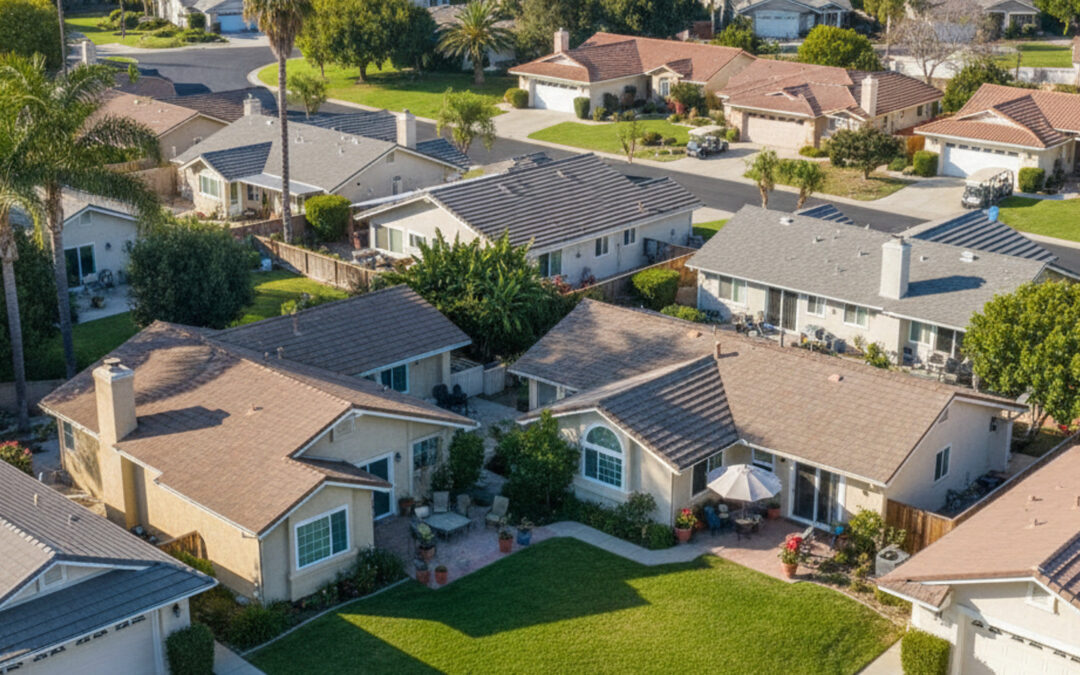
Renting in Leisure Village, Camarillo, means leasing an individually owned home inside an age-restricted community association, so the owner’s lease and the association’s rules together decide what you pay and who may live there. Before you set up a rental search, find Leisure Village Camarillo on a map and check its ZIP code in the Local Zip Code Guide for Leisure Village Camarillo, CA (2026) so your filters catch every listing. Tenants are bound by the association’s CC&Rs, so it helps to understand Leisure Village’s governing documents before you apply.
Homes reach the rental listings when owners decide to lease rather than sell. That means the average rent in Leisure Village, CA, moves with the same owner decisions that drive Leisure Village Camarillo’s housing market. Renting first also lets you try the community before buying, so you can make an informed decision about downsizing here.
Key Takeaway
Each Leisure Village home has its own owner, so the asking rent depends on the floor plan, its condition and what the lease includes. The owner usually pays the association dues, which means the rent already covers some utilities and upkeep that an apartment tenant would pay for separately. Every tenant household must meet the association’s age rule and leasing rules before the tenancy counts.
Who This Guide Is For
People considering leasing a home in Leisure Village, Camarillo, who want the cost and the rules before they apply.
Renting in Leisure Village at a Glance
- Camarillo citywide median asking rent: $2,657 a month, late 2026.
- Dues cover water, sewer, trash, basic cable; tenants pay electricity, gas.
- Leases run one to two years; one resident must be 55+.
- Up to two pets per household, leashed outside the home.
- Deposit cap: usually one month’s rent, pet deposit included.
Average Rent in Leisure Village, Camarillo
Leisure Village has no single complex rent. The useful number is the range across homes listed right now, matched to a floor plan.
To get a current figure, pull the active Leisure Village rentals on a listing site, note each listing’s date, and group them by floor plan size. A small two-bedroom model and the largest plan rent in different bands, so compare like with like before you judge whether a rent is fair.
If you want a one-bedroom-size home, start with the smallest models on the dues schedule below. The schedule does not list their bedroom counts, so confirm the layout in each listing.
The rental cap described under the rental rules limits how many homes can be leased at once. As a result, few homes are listed at any time, and a single renovated home can pull a small sample’s average up. When only one or two homes of a given size are listed, treat their rents as individual asking prices rather than a market average.
Floor Plans and What Moves the Rent
The association’s dues schedule names these floor plans and sizes:
- Smallest models: Avalon (672 sq ft), Balboa (840 sq ft), Newport (887 sq ft), Brentwood/Monterey (951 to 961 sq ft) and Coronado (1,026 sq ft).
- Capri: 1,064 sq ft with 2 bedrooms and 2 full bathrooms; a 2-car garage version is also listed.
- Camarillo: 1,157 sq ft.
- El Dorado and El Dorado II: 1,498 sq ft; the El Dorado I (2-Car) is 1,569 sq ft.
- Valencia: 1,667 sq ft.
- La Jolla: 1,829 sq ft, the largest model, single story with no stairs.
A listing may quote a larger size than the schedule shows, for example by counting an enclosed patio. Match the model name to the schedule so you compare homes on the same basis.
The separate 2-car lines for the Capri and El Dorado I suggest a one-car garage is standard on the other versions, so confirm the garage in each listing. The larger plans rent toward the top of the range.
Within any plan, several things move the rent among the community’s homes:
- interior updates to the kitchen, baths and flooring;
- location and view within the village, such as golf course or greenbelt frontage versus a street-facing lot;
- an enclosed patio;
- whether the home is furnished;
- whether the lease folds in utilities beyond what the dues cover.
What Your Rent Covers: HOA Dues and Utilities
The owner normally pays the monthly HOA fee, and the rent is set with that cost built in. Confirm in the lease that the dues are the owner’s responsibility.
Those dues pay for services a renter would otherwise pay for or handle:
- Utilities: water usage, sewer, and trash and recycling pickup.
- Television: basic extended cable TV.
- Security: a guarded gate and patrols checking the village 24 hours a day.
- Grounds and exterior: gardening around the home, periodic painting of wood trim and doors, lifetime roof protection and common-area maintenance.
Electricity, natural gas and telephone service are not on the dues list, so plan to open those accounts in your own name. Ask the owner whether internet beyond the included cable is your cost.
Ask the owner or the association office what ID or registration a tenant needs to use the clubhouse, pool, golf course and other recreation facilities.
How Leisure Village Compares to the Camarillo Rental Market
Across Camarillo, the median asking rent is $2,657 a month, based on 99 priced listings in late 2026, with the average at $2,666.
The U.S. Census Bureau’s American Community Survey measures rent paid rather than asking rent. It puts Camarillo’s median gross rent at $2,734 for 2020 to 2024, up from $2,650 for 2019 to 2023. Census QuickFacts publishes the same measure for California as a whole, which gives you a statewide benchmark on the same basis.
Set the current Leisure Village range from your listing search against these citywide figures:
- Renting a single-family home here usually includes the dues-paid services listed above, while most citywide asking rents do not. Add the utilities an apartment would bill separately before you compare.
- The citywide median mixes every unit size, so compare a Leisure Village home with Camarillo rentals that have the same number of bedrooms.
- When citywide inventory is high, tenants have more room to negotiate the rent or move-in terms.
Rent is only one line of a Camarillo household budget; groceries, health care and transportation fill in the overall cost of living. If you are weighing renting against buying, compare the monthly rent with a mortgage payment, dues and property tax on a home at current Leisure Village home prices.
Rental Rules and Lease Requirements in Leisure Village
The association’s leasing rules apply to every lease in the community, whoever the landlord is.
- Lease term: a lease must run at least one year and no more than two. All other terms are negotiated between the owner and the tenant.
- Association approval: no tenancy is valid until the association has received and approved the written lease, known as the lease packet. Ask the owner for proof of approval before you move in.
- Rental cap: owners also work under a reported cap of about 25% of homes leased at once, in effect since January 3, 2022, so ask whether the home is cleared to rent.
The community operates as a senior housing development under California Civil Code §51.3 and the federal Fair Housing Act. At least one resident of each home must be 55 or older. The governing documents allow defined exceptions for a younger spouse, caregiver or qualifying dependent to live in the home alongside that qualifying resident.
Some listings word the age rule more strictly, for example “all tenants must be 55+.” If anyone in your household is under 55, confirm with the owner and the association before you apply.
Individual listings add their own conditions, such as renter’s insurance or no smoking, so read both the listing and the lease for them.
Pet-Friendly Rentals in Leisure Village
The association lets a household keep two pets at most. Pets must be on a leash whenever they are outside the home, and owners must pick up after them. Ask the association office whether it requires pet registration and whether pets are barred from any common areas.
Within those limits, each owner decides whether their home allows pets, and the pet filter on rental listing sites narrows the search. A listing that says “pets considered” means you need to ask, then get the answer written into the lease. A landlord may ask for a pet deposit, but it counts toward the security deposit cap explained in the next section and cannot be added on top.
Assistance animals are not pets. Under California Code of Regulations, Title 2, §12185(d)(2), a housing provider generally cannot do any of the following because of a service animal or emotional support animal:
- charge a pet fee;
- charge extra rent;
- charge an extra deposit;
- require liability insurance.
The handler of a guide, signal or service dog still stays liable for any actual damage the dog causes.
Renting Directly From an Owner
By-owner homes appear under the “for rent by owner” filter on listing sites; other owners lease through local property managers. Before signing, confirm:
- Association rules: the lease meets the minimum term and the lease packet has been approved, as set out under the rental rules above.
- Ownership: the person renting the home owns it. The Ventura County Clerk-Recorder’s Property Records Search is free online and searchable by name or document number. The Assessor’s online Property Search does not offer ownership-name searches.
A name that does not match the county record, or a request for money before a showing, is a warning sign.
Under California Civil Code §1950.5, as amended by AB 12 effective July 1, 2024, most landlords may collect a security deposit of no more than one month’s rent, furnished or not. A small landlord may collect up to two months’ rent. A small landlord is a natural person (or certain trusts and LLCs) who owns no more than two residential rental properties with no more than four units in total.
Frequently Asked Questions
What Credit Score Do I Need to Rent in Leisure Village?
A minimum credit score of 650 to 680 is a common ask from local landlords and property managers, along with monthly income of two to three times the rent. Each owner sets their own standards, so ask about them before you pay an application fee.
How Much Cash Do I Need to Move Into a Leisure Village Rental?
Plan for the first month’s rent at the going rate for your floor plan, plus a security deposit within the state cap above. Add the first renter’s insurance premium if the lease requires it.
Can a Younger Spouse or Caregiver Live With Me in a Leisure Village Rental?
Yes, if they fall within the age-rule exceptions set out under the rental rules above. The association confirms your full household when it approves the lease packet, so settle this before you sign.
Who Handles Repairs in a Leisure Village Rental, the Landlord or the Association?
The landlord or manager handles repairs inside the home under the lease, while the association handles the exterior and common-area work its dues pay for. Report problems to your landlord, not the association, unless the lease says otherwise.
Sources
- Leisure Village HOA Information and Dues Schedule
- What Do My HOA Dues Cover? Leisure Village
- Average Rent in Camarillo, CA
- Leisure Village Association Leasing Information
- California Civil Code §51.3
- Leisure Village Common Questions
- Pet Rent and Emotional Support Animals in California
- Ventura County Clerk-Recorder: County Recorder
- California Civil Code §1950.5